
Camron Dhillon
The age-old question: is it more beneficial to brush your teeth before or after you eat your cereal or toast in the morning?
By the time you’re done reading this blog, I promise the answer will be as clear as day!
Why You Should Brush Before Breakfast?
After sleeping for almost eight hours, bacteria in your mouth have had plenty of time to feed on leftover food from the day before, especially in areas that are harder to clean, such as between the teeth. This leads to acid production, enamel erosion, and explains the familiar “morning breath” sensation after a long night’s sleep.
On top of this, your salivary flow rate drops by almost six times during sleep compared to when you are awake. This means there is far less saliva available to wash bacteria away and restore optimal conditions in your mouth.
When you brush your teeth, you are also applying a layer of fluoride, which acts like a protective suit of armour for your enamel. Contrary to popular belief, you should not rinse your mouth after brushing, as this washes away the fluoride layer you’ve just spent time applying.
Why You Shouldn’t Brush Immediately After Breakfast?
Many people believe brushing after breakfast is ideal because it removes overnight bacteria and food debris at the same time — essentially killing two birds with one stone. However, this habit can actually do more harm than good.
Saliva plays an important buffering role in the mouth, helping to protect teeth and maintain a healthy environment. When you eat, especially acidic foods, this balance is disrupted and enamel temporarily softens. Brushing during this period can lead to the wearing away of enamel, the hard protective outer layer of the tooth. Over time, this can cause problems such as tooth sensitivity to hot or cold foods.
Additionally, if you eat before brushing, the bacteria that have built up overnight immediately begin feeding on breakfast sugars. This increases acid production, bad breath, and significantly raises the risk of tooth decay.
In Conclusion
Brushing your teeth before breakfast is generally the more beneficial option. It removes overnight bacteria, strengthens enamel with fluoride, and prevents brushing on softened enamel.
That said, brushing after breakfast isn’t wrong — you just need to wait at least 30 minutes after eating. This allows saliva to restore the mouth to optimal conditions before brushing.
If you want the simplest, most tooth-friendly routine:
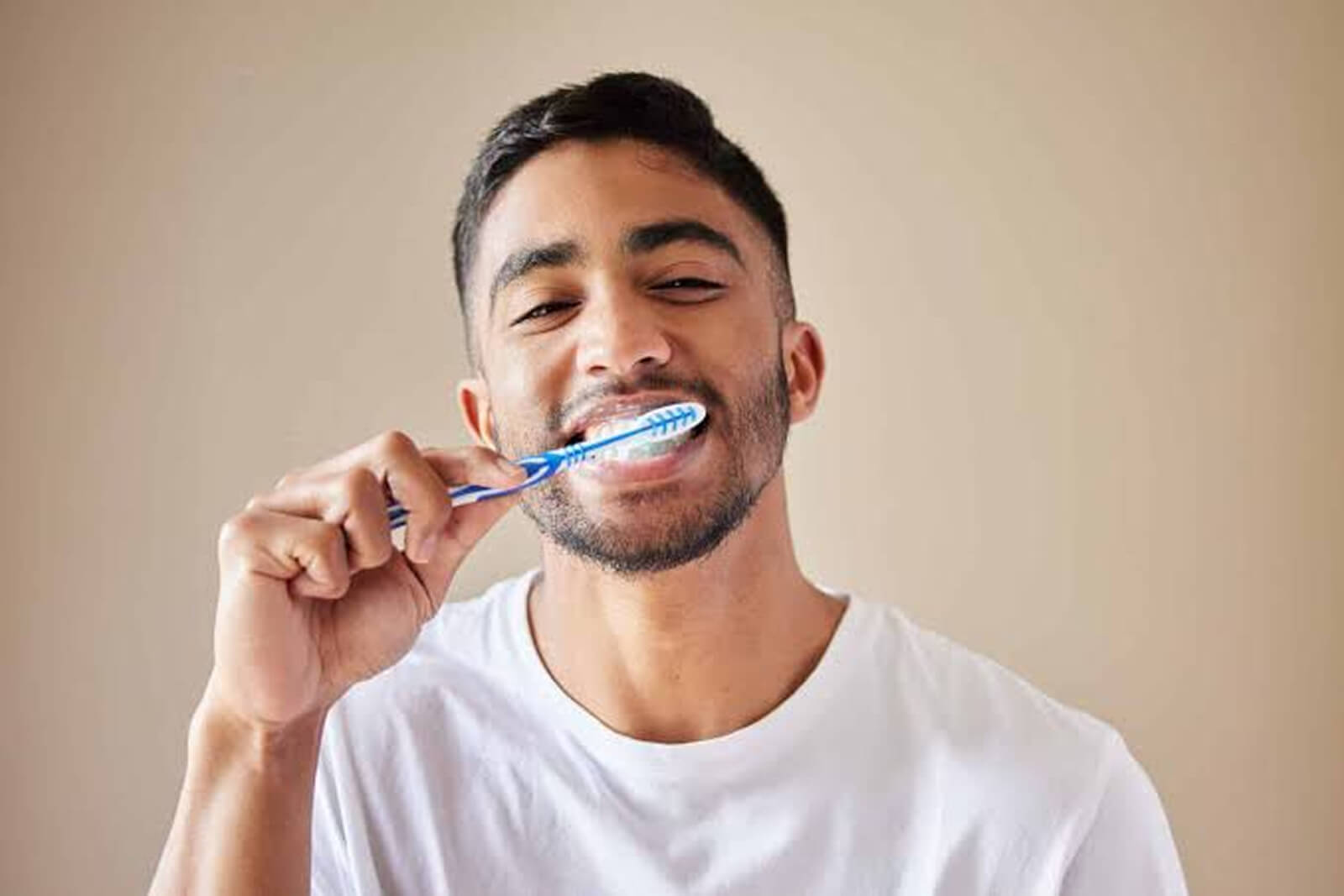
Brush your teeth as soon as you wake up, then eat your breakfast.
Your enamel will thank you.
Your dentist will thank you.
And you’ll start your day with a fresher, healthier mouth.