
Camron Dhillon
I’m sure we’ve all seen the hype around electric toothbrushes over the recent years but are they really as effective as the television adverts say they are?
Look no further, I’m going to break down what really makes them special and evaluate their effectiveness compared to a manual toothbrush.
What is an electric toothbrush?
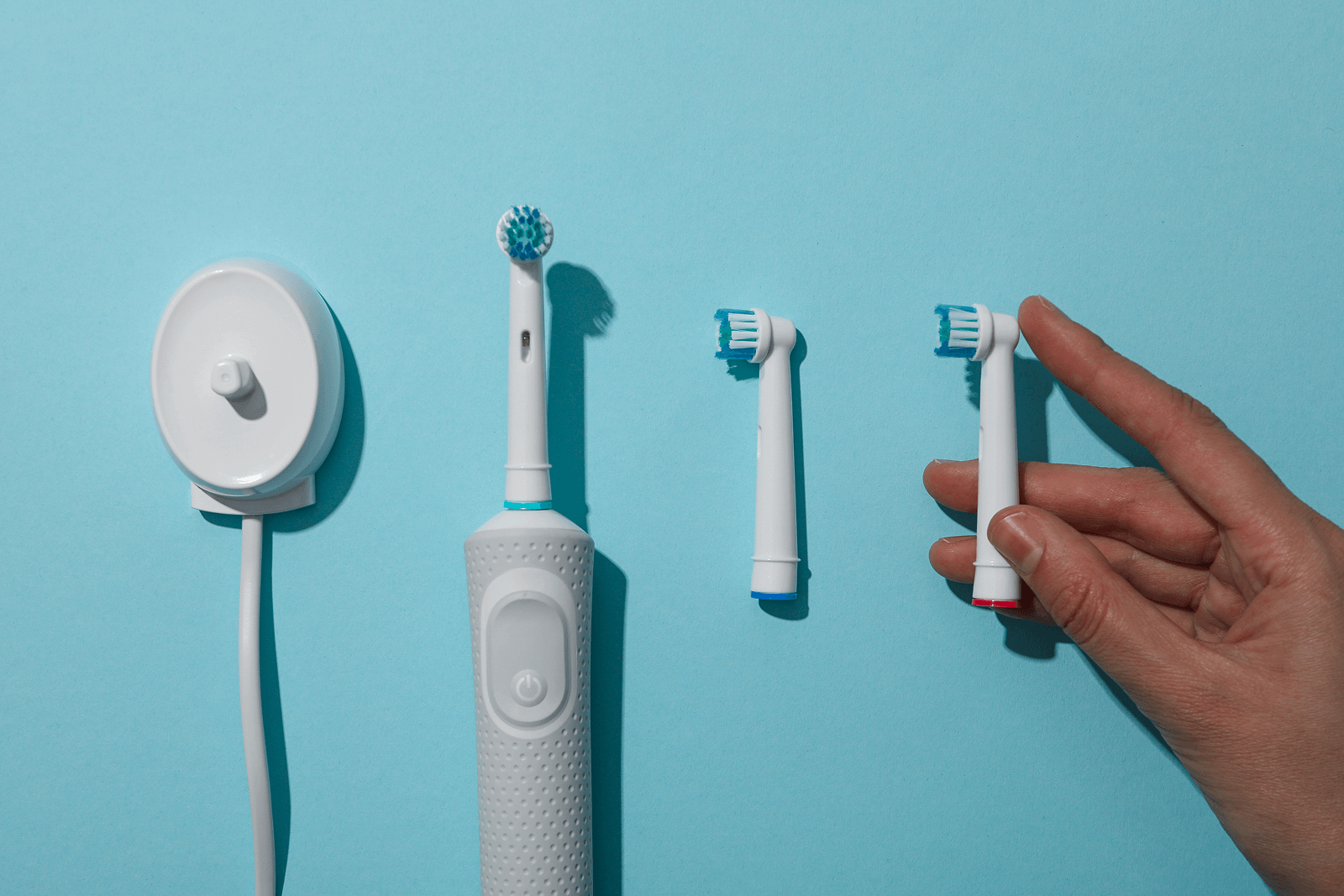
An electric toothbrush is a toothbrush powered by a small electric motor that moves the brush head automatically.
It typically has a small, round head with bristles that oscillate, rotate, and/or vibrate, allowing the user to guide the brush over each tooth rather than performing
repeated manual brushing movements. This automated motion helps improve plaque removal compared with a manual toothbrush when used correctly.
They come in many different sizes and colours, with a range of speeds – some even detect pressure in order to stop you brushing too hard!
How do they compare to manual toothbrushes?
Electric toothbrushes generally provide more effective plaque removal than manual toothbrushes, particularly oscillating–rotating types, and are associated with
improved gingival health and reduced bleeding. They require less manual skill and effort, making them especially beneficial for children, older adults, and
individuals with reduced dexterity, and features such as built-in timers help ensure adequate brushing time.
Manual toothbrushes can still be effective when used with correct technique, but their effectiveness depends more heavily on the user’s skill and consistency. Additionally, they’re typically more readily available and cheaper.
In the long run though, electric toothbrushes and manual toothbrushes even out in expense, as you really only have to replace the head on an electric toothbrush.
So is there any point still using a manual toothbrush then?
The short answer is yes, it’s definitely not mandatory to switch, a manual toothbrush can still be as effective as an electric one so long as you’re utilising the correct brushing technique!
The most effective method is the Modified Bass technique, where the brush is angled at 45 degrees towards the gum margin and gentle, small circular motions
are used to clean along the gumline. This technique is particularly effective because it provides a systematic approach to brushing, ensuring all tooth surfaces are cleaned thoroughly by working methodically around the mouth, reducing the chance of missed areas.
Closing remarks and conclusions:
All in all, while electric toothbrushes are generally more effective and make it easier to clean both the teeth and gums, using one is not essential for good oral hygiene. A
manual toothbrush can be just as effective when the correct brushing technique is used consistently.
Ultimately, the best toothbrush is the one you are comfortable using and can use properly every day.