

Amira Hamilton. BDS1 University of Birmingham
Many people visit the dentist regularly for check-ups but still develop dental issues. What they may not realise is that there are everyday habits which can slowly damage their teeth overtime. The good news is that being aware of these habits can help prevent problems like cavities, sensitivity, and gum disease. Let’s look into the common habits that may be unknowingly harming your teeth and how to deal with them.
1. Brushing Too Hard
Brushing harder does not mean brushing better. Aggressive brushing can actually create excessive friction between the toothbrush and your teeth and gums which can wear down enamel and irritate your gums. Over time, this may lead to gum recession and sensitivity.
Advice:
Ensure you are brushing with gentle circular motions, rather than harsh side to side movements. An electric toothbrush can often help with controlling brushing pressure. For example, the Oral-B iO Series uses a smart light ring to indicate when you are brushing too hard or with the correct pressure.
2. Frequent sugary snacking
To understand why frequent snacking can be harmful, it helps to look at what is known as the Stephan curve (shown below).
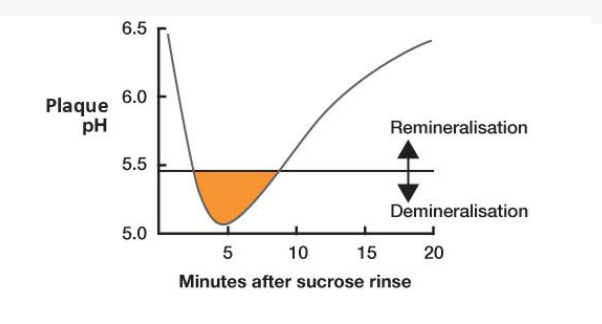
After consuming sugary foods, bacteria in the mouth break down the sugars and produce acid. This causes the pH in the mouth to drop rapidly, creating a more acidic environment. When the pH falls below the critical pH of around 5.5 (horizontal line on the graph), the tooth enamel begins to demineralise/wear down.
Over time, saliva helps to neutralise these acids through remineralisation. However, this recovery process takes longer than the initial acid attack. If someone snacks frequently throughout the day, the mouth remains at a lower pH for longer periods, meaning the teeth have less time to recover from the acid. This increases the risk of enamel damage and tooth decay.
Advice:
Try to limit your sugary snacks and drinks throughout the day. Instead, have them with your main meals and opt for healthier snack alternatives where possible. Drinking water after eating can also help rinse away sugars and acids.
3. Using your teeth as tools
Many of us have probably done it- ripping packaging open with our teeth, biting nails and holding objects with our teeth. However, our teeth are not designed for these tasks. Using your teeth in this way can cause chips, cracks and can even damage fillings or other dental work.
Advice:
Avoid using your teeth for these tasks and instead, use tools like scissors! This will help to prevent unnecessary damage to your teeth.
4. Skipping flossing
Most people tend to forget flossing, but it is essential for ensuring every surface of the teeth is cleaned effectively. A toothbrush mainly cleans the front, back and chewing surfaces of the teeth, but the tight spaces in between are hard to reach. If not cleaned properly, plaque and food can build between the teeth. Over time, this can cause tooth decay and gum disease. Plaque accumulation, particularly along the gum line can also cause inflammation of the gums which results in redness, swelling and bleeding.
Advice:
Try to floss at least once a day using either dental floss (a thin string which cleans between the teeth) or interdental brushes (think of these as mini toothbrushes which fit in the gaps between your teeth). Ensure you speak to your dentist if you are unsure on how to use these tools.
Hopefully this blog has increased your awareness of habits which may be harming your oral health. By making small changes to your daily routine, such as brushing gently, limiting sugary snacks, avoiding using your teeth as tools and flossing regularly, you can effectively reduce the risk of tooth decay and gum disease. Maintaining good oral hygiene alongside regular dental visits will help keep your smile healthy for years to come.