
Livia Yang
Understanding the early warning signs of gum disease and what you can do about it.
You brush your teeth twice every day, so when you see blood in the sink, it can feel both confusing and even a little bit worrying. Most people willingly choose to ignore bleeding gums, assuming it’s a normal thing, but often it can be one of the earliest signs that something isn’t quite right. The good news is that with the appropriate care, it can often be reversed. So let’s break down why it happens and what you can do about it.
1. Build-up of plaque along the gum line
One of the most common causes of bleeding gums is plaque (a sticky film of bacteria that constantly forms on your teeth). If this sticky layer of bacteria is not removed properly, it can result in a buildup along the gum line and irritate it, making it red, swollen, and much more prone to bleeding.
What you can do:
Focus on brushing gently along the gum line using small circular motions. This will help to remove any plaque in this area without damaging your gums.
2. Not cleaning between your teeth
Your toothbrush can’t reach all of the tight spaces between your teeth. When plaque builds up in these spaces, it can lead to inflammation and bleeding. This is why brushing alone isn’t always enough.
How you can combat this:
Clean between your teeth at least once a day (minimum) using either floss or interdental brushes. It’s a small step that makes a big difference.
3. Brushing too hard
It’s easy to think that brushing harder will result in a better clean, but that’s not the case, and it can actually do more harm than good. Too much pressure when brushing can irritate your gums and can eventually cause them to recede over time.
What to do:
Use a soft-bristled toothbrush with light pressure. If you use an electric toothbrush, let it do the work for you, but ensure you continue using circular brushing motions.
4. Changes in your routine or health
Sometimes bleeding starts when you begin flossing after a long break, or during periods of stress or hormonal changes. Your gums may just need time to adjust, but it shouldn’t last too long.
What you should do:
If bleeding persists for more than 1-2 weeks, it’s definitely worth getting it checked by a dental care professional.
5. Early gum disease (gingivitis)
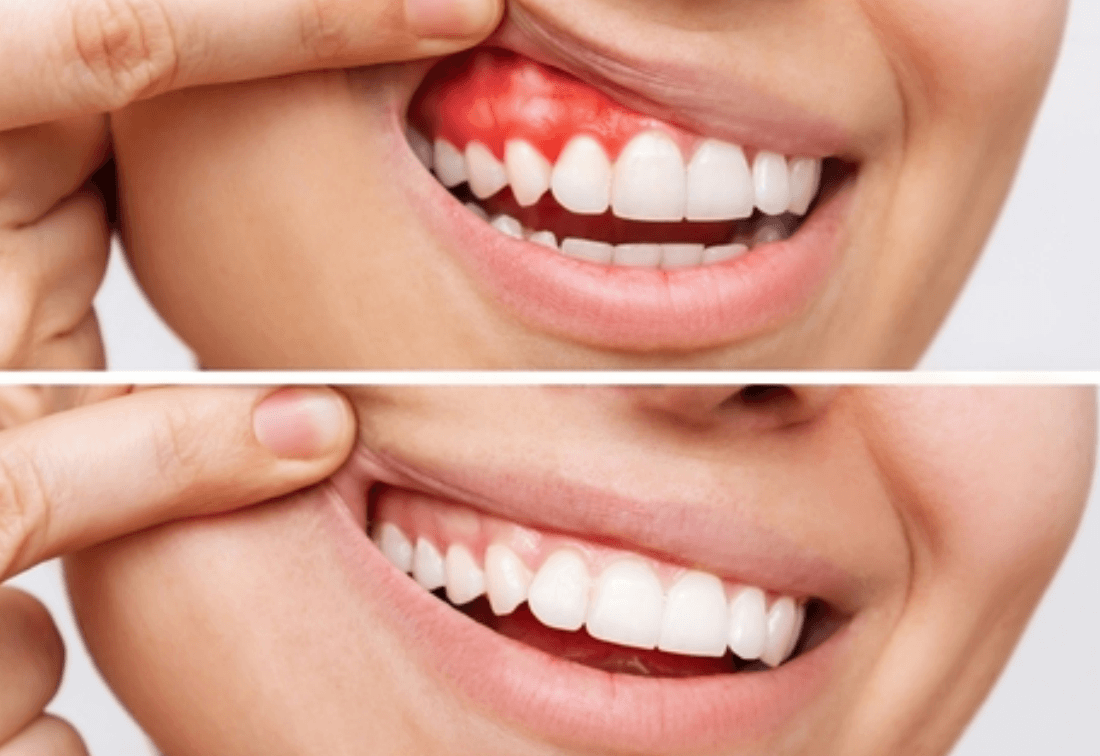
If plaque isn’t removed, it can lead to gingivitis, which is the earliest stage of gum disease. At this stage, it’s still completely reversible. But if ignored, it can progress into more serious problems later on.
How you can tackle this?
Regular dental check-ups and good daily habits are key to keeping your gums healthy.
So the key takeaway message is…
Bleeding gums aren’t something that you should ignore. Bleeding gums are a warning sign. But with the right habits and a few simple changes to your current oral hygiene routine, you can get your gum health back on track and prevent more serious issues from occurring in the future.