
Amaani Adam
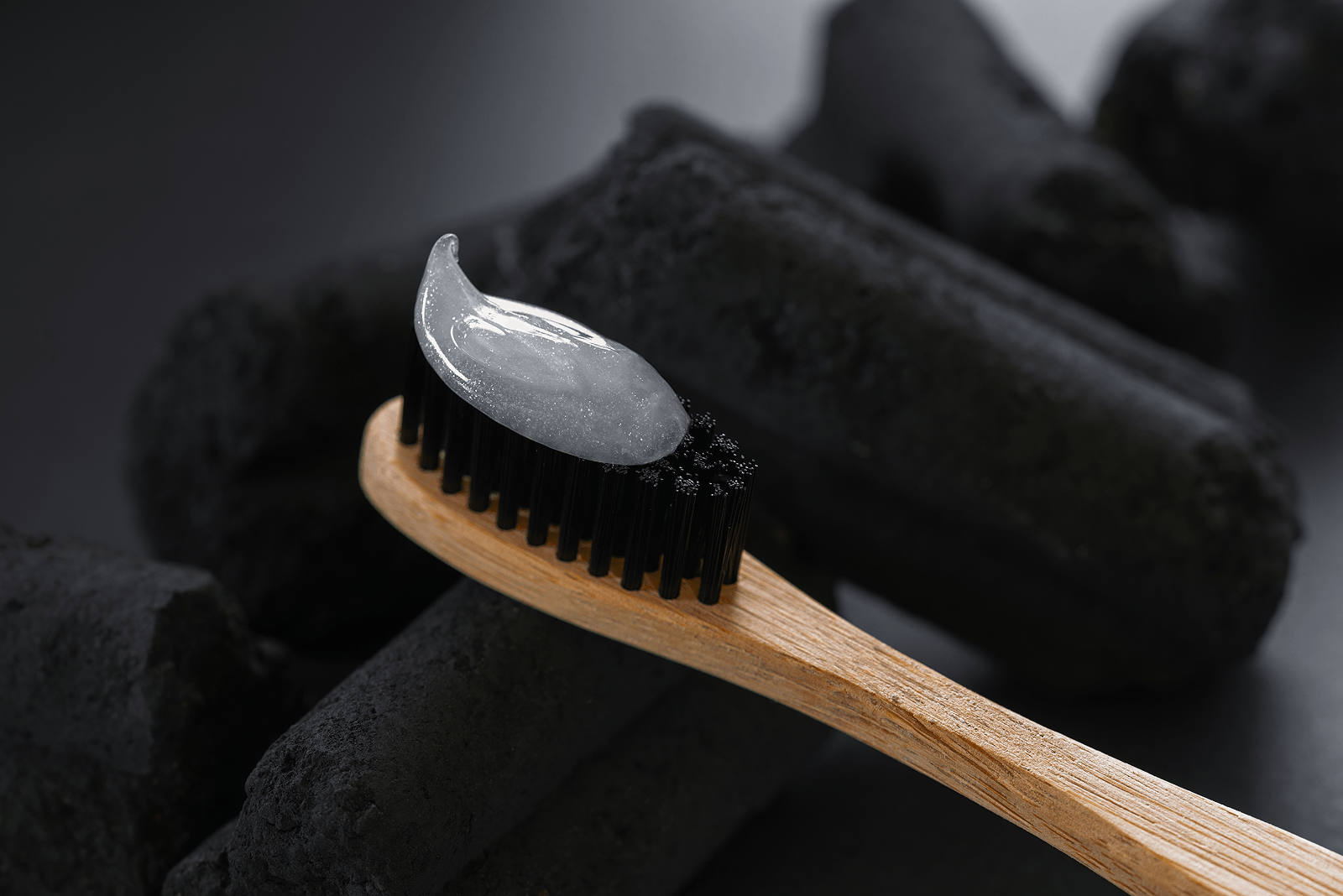
Charcoal toothpastes have become increasingly popular in recent years, often promoted as a natural way to whiten teeth, and remove toxins from the mouth. These products usually contain ‘Activated Charcoal’, a fine black powder made by heating carbon-rich materials such as coconut shells or wood at high temperatures.
While the marketing claims are appealing, many patients wonder whether charcoal toothpaste actually works and whether it is safe to use regularly.
How Charcoal Toothpaste Works
Activated charcoal has a highly porous surface, which allows it to bind to certain particles. In toothpaste, manufacturers suggest that this property helps charcoal attach to stains on the tooth surface and remove them during brushing.
In reality, most of the ‘cleaning’ effect comes from the abrasive texture of the charcoal particles, which helps scrub away surface stains caused by foods, drinks, or smoking. This means charcoal toothpastes may help remove some external staining, but they do not change the natural colour of teeth in the same way that professional whitening treatments do.
What the Evidence Shows
Scientific evidence supporting the whitening claims of charcoal toothpaste is currently limited. Reviews of available studies have found no strong clinical evidence that charcoal toothpastes whiten teeth more effectively than conventional toothpaste.
Researchers have also raised concerns about the abrasiveness of some charcoal products. Frequent use may increase wear on tooth enamel, which is the hard outer layer that protects the tooth. Once enamel is lost, it cannot regenerate and may lead to tooth sensitivity or increased staining overtime.
Another concern is that some charcoal toothpastes contain little or no fluoride. Fluoride plays an important role in preventing tooth decay, by strengthening enamel and helping repair early damage. Toothpastes without fluoride may therefore offer less protection against cavities.
Practical Advice
If you do choose to use charcoal toothpaste, it is best to do so with caution. Consider the following:
- Use a toothpaste that contains fluoride
- Brush gently with a soft-bristled toothbrush
- Avoid relying on charcoal toothpaste as your main whitening method
- Speak with your dentist about safer whitening options if desired
In Summary
Charcoal toothpaste may help remove some surface stains due to its abrasive properties, but current research suggests it offers limited whitening benefits compared with conventional toothpaste. In addition, excessive use may contribute to enamel wear, particularly if the product is highly abrasive or lacks fluoride.
For most people, using a fluoride toothpaste, maintaining good oral hygiene, and attending regular dental check-ups remain the most reliable ways to protect both oral health and the appearance of their smile.