









Book Your Consultation
Limited Availability
What are Dental Implants?
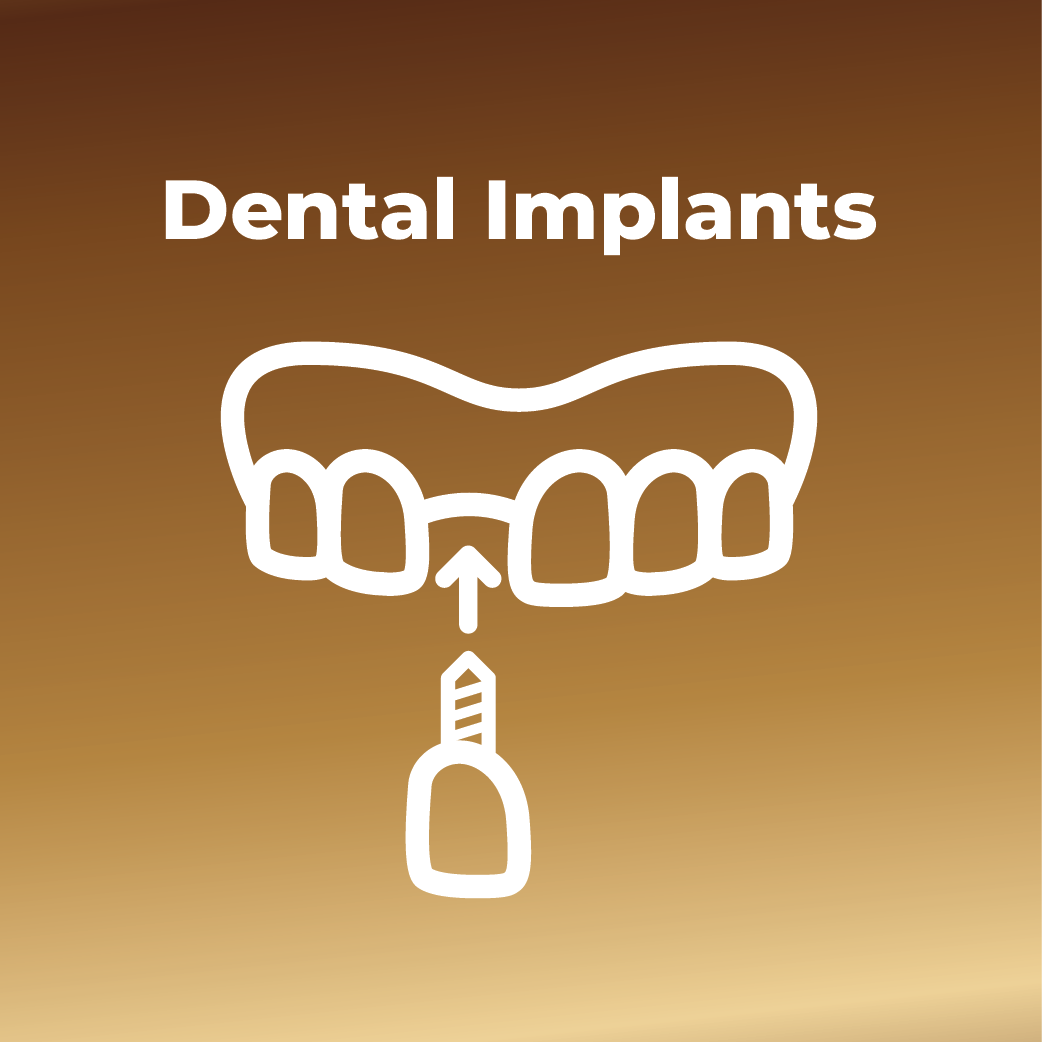
No matter if you’re missing one tooth, multiple teeth, or a full jaw, dental implants are an excellent solution to replace missing teeth and could be the life-changing treatment for you.
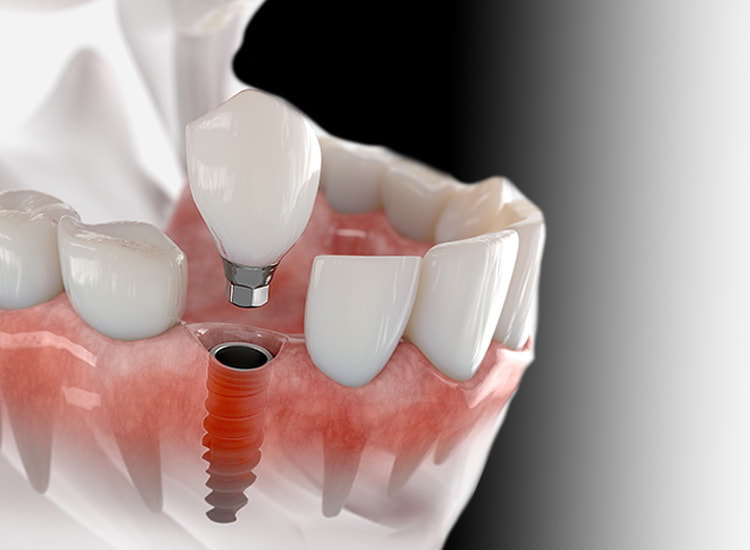
Dental Implants are the most highly regarded form of dental prosthetic currently available to patients. Fashioned from high-grade metal, implants are like a screw which we place into your jawbone to behave in the same way as your natural tooth root. This creates a permanent solution that doesn’t need to be taken out, unlike dentures, and does not damage healthy teeth.
While treatment times can vary, having implants is a generally a straight-forward process able to be completed in as little as four steps! We will begin by giving you a initial implant consultation where we assess your suitability and answer any questions you have about the process. Afterwards, if you decide to go ahead with the treatment, preparations can begin. We use our advanced strategies and cutting-edge facilities to ensure you have the best results and easiest recovery possible.
Why Choose Synergy Dental Clinics for Your Dental Implants?
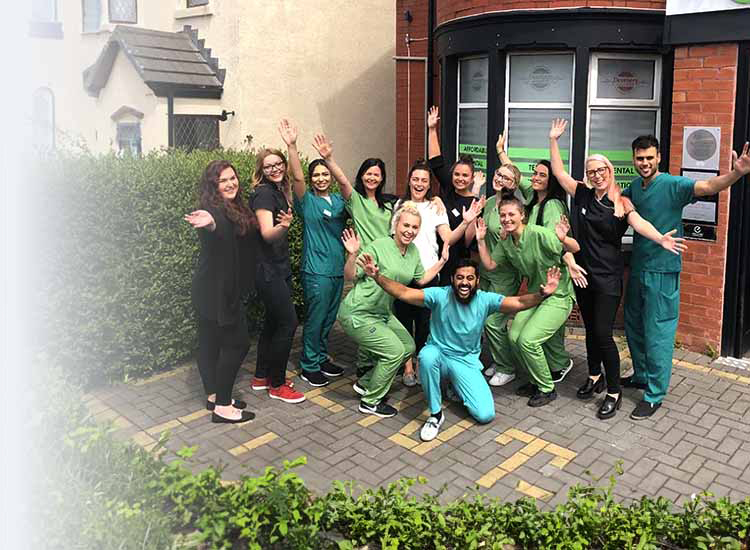
Established since 2007, our UK trained surgeons are pioneers in dental implant treatments. When our Lead Implant Surgeon, Dr Zuber Bagasi, established the Synergy Dental Group, his vision and goal was that all our patients benefit from the same level of precision and care across all our practices. Our team of experienced implant surgeons are the leaders in their field. In fact, they’re so good that they dedicate part of their non-surgery time to training and educating others through our SynTrain International Dental Academy.
We are registered members of the ADI and BDA to quality assure our services, and every one of our practices has always accomplished an outstanding CQC score, every year, from the first time they opened – giving you full faith in our commitment to provide you with the highest standards of care.
We are the leading supplier of Straumann implants in the whole of the North. Straumann implants are the highest quality implants available on the market, led by cutting edge science. Our award-winning surgeons have collectively placed over 20,000 Straumann dental implants, so you can be confident you’re getting the best technology, fitted by the best dentists.
What sets Synergy apart from other dental clinics is that each one of our practices have an in-house digital scanning and CT scanning facility which means that we can provide our patients with exceptional accuracy and highest standards. It also means that unlike other dental clinics, we will never need to send you away to hospital for scans, avoiding time-consuming waits for appointments. Another thing that makes us special is we will keep you with the same implant team throughout your whole process, so you can be confident that you are always dealing with a dentist who is familiar with your case and your needs. Here at Synergy, our core value is people and planet over profits – we believe that nobody should be barred from getting the dental treatment they need because of the cost. That’s why we offer multiple packages for implants. We also offer finance, repayable over a term of up to 5 years, with the first 2 years being interest free, so that you can find a good fit for your needs and your wallet.
Why Choose Straumann?
Dental implants come in multiple brands – just like anything else you buy, some brands are generally accepted to be better than others. In implant dentistry, Straumann is that brand.
Widely accepted as the gold-standard for dental implants, Straumann has been pioneering excellence and innovation for over 70 years. Their implants are distributed to over 100 countries, and are loved by dentists across the globe.
Straumann implants boast a 98.1%* success rate! Each dental implant is individually stress tested to ensure that they meet Straumann’s high standards before they are allowed to leave the factory and go to patients, bringing expert Swiss engineering for your smile!
*(Source: Straumann Bone Level Tapered Implant Clinical Review, accessed 24/9/24, available here)
- Perfect for missing teeth and gaps
- Prevents further bone being lost
- Can last a lifetime
- No need to wear a partial denture
- No need for a bridge which damages healthy teeth
1. Implant Consultation
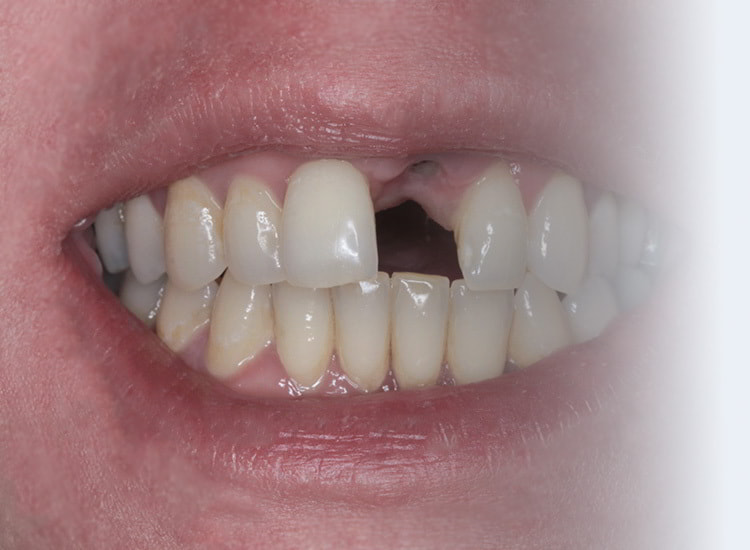
During your initial consultation, we will take a series of CT scans, if needed and photographs to help us place your implants. You will meet your implant team who will talk you through the procedure, costs, and address any concerns you may have.
Normally, the treatment is performed under local anaesthetic, but if you are nervous about the procedure you can choose to be placed under sedation. If you wish to be sedated for the procedure, we will perform a full assessment to ensure that you will be safe under sedation; this includes blood pressure, oxygen levels etc.
We will summarise all this information and outline your options in a clinical report which will be emailed to you within 48 hours.
2. Review Appointment
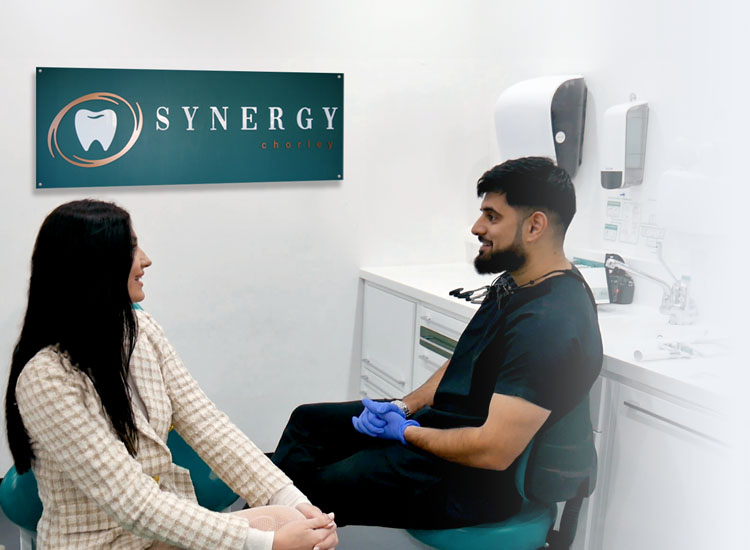
This is the stage where you and the Implant Surgeon discuss your treatment options from your clinical report. You will have an informal chat with the implant team and can ask any questions you like. Once you are comfortable, the treatment will be booked in.
This is also when we will arrange any finance options with you. You can use our cost calculator to work out your monthly payments.
You will receive a pre-surgery pack to guide you on how to prepare for your treatment, whilst we make the necessary preparations on our end.
3. Implant Surgery
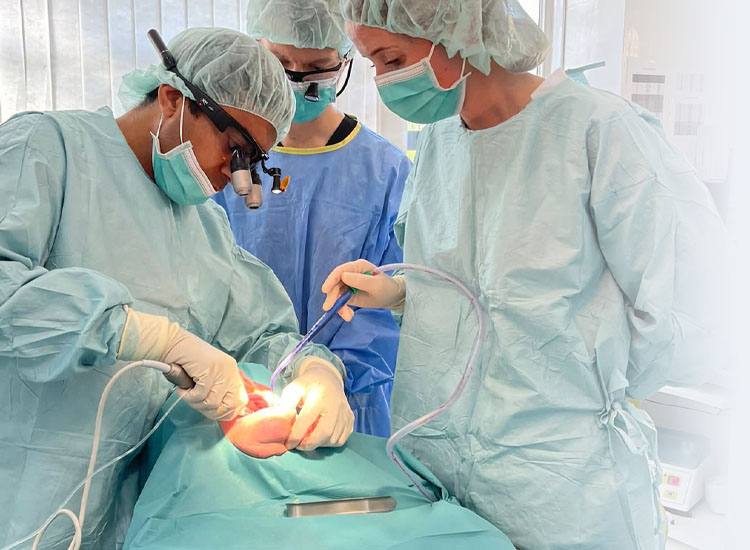
This is the day when you get your new tooth! Local anaesthetic makes the process mostly pain free, or if you discussed sedation previously then you will be unconscious for the procedure.
Before the surgery, both you and the implant team will be draped-up to ensure a sterile environment. This protects your safety by minimising the risk of infection.
We use the latest technology in CT and digital scanning to accurately plan your surgery. Our digital guidance approach is similar to key-hole surgery technique, meaning you will have minimum pain or swelling after the procedure.
The procedure normally takes no more than 20-30 minutes to complete, and you will be fitted with a temporary tooth, so you can walk out with a new smile that very same day.
4. Permanent Teeth
For the next 3 months, your implants will heal into your jaw. Just like healing a broken bone, your body needs time to fuse the new implants to your jawbone. Don’t worry, we won’t leave you alone during this period – you will have regular checkups with your dental implant team to check everything is healing as it should be and that you are able to clean and care for your implants properly.
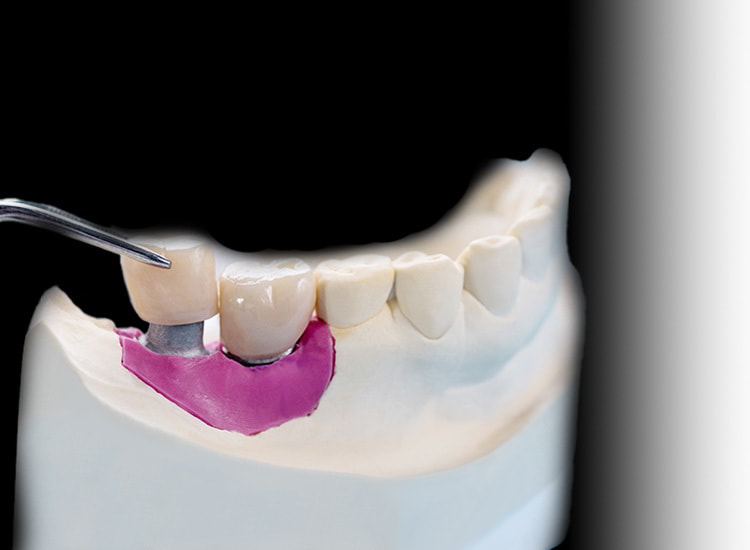
Once your implants have healed, we can engineer your new, permanent tooth. We do this over a series of appointments by taking scans and impressions of your smile. This is important so we can get the most comfortable fit. This is your chance to consult with us on size, shape, and shade. We encourage you to use photographs of a smile you might want to copy, or even photographs of your smile that you want to restore. We will engineer a test tooth for you to be sure you are happy and comfortable, and our team will make sure your new tooth blends as seamlessly as possible with your natural teeth.
When you are sure you are happy, we will fit your permanent tooth.
5. After Care
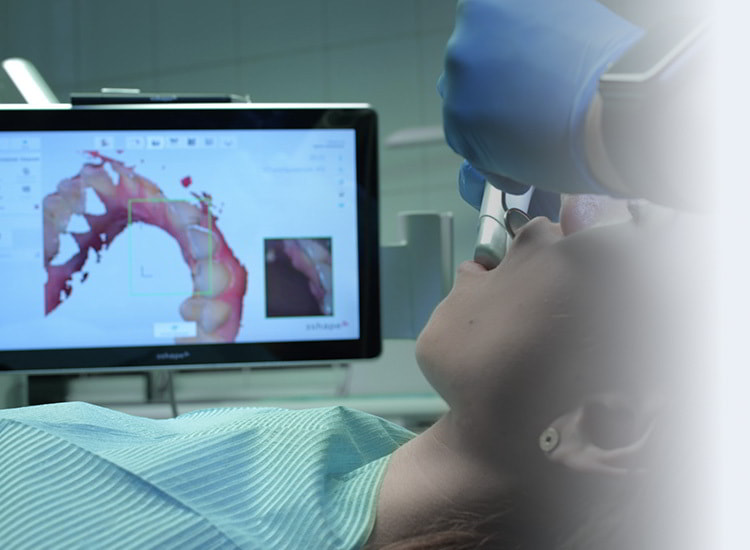
Just because your surgery is over, your life with your new smile has only just begun. You will have regular 3-month check-ups, including x-ray, cleaning, and maintenance to make sure your smile stays sparkling.
If you have been referred to us by another dental practice, we will discharge you back to your regular dentist and advise them how to help you look after your implants. Alternatively, you can choose to see our implant team and hygienist for regular maintenance appointments, since we are now familiar with your smile and can provide the best possible care. We recommend joining Synplan for further checkups and maintenance.
Dental Implants
Price range: £30 through £20,000
Apply for Dental Finance!
Using our finance calculator you can approximate your total cost for dental work and choose to repay from multiple options.